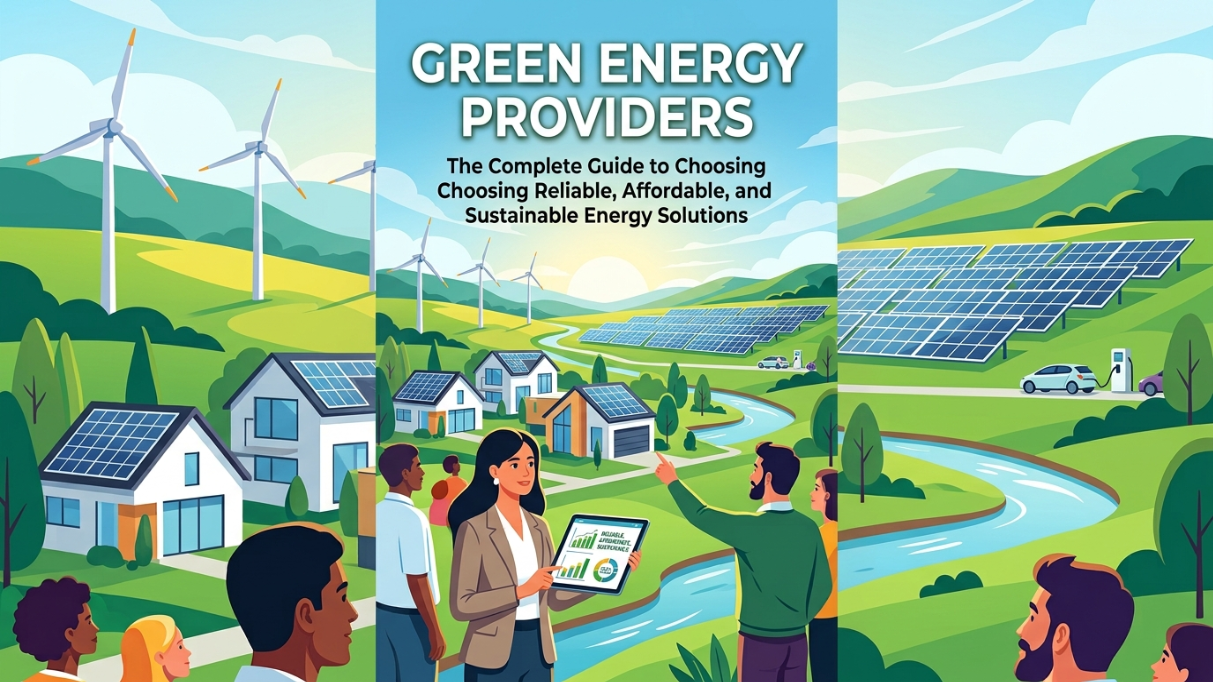
Green Energy Providers: The Complete Guide to Choosing Reliable, Affordable, and Sustainable Energy Solutions
As energy prices fluctuate and environmental concerns continue to shape consumer decisions, green energy providers have become an increasingly important part of the global energy landscape. Businesses, homeowners, and organizations are seeking cleaner alternatives that reduce carbon emissions while delivering reliable electricity and long-term financial value.
Whether you want to lower your environmental footprint, stabilize energy costs, or support renewable infrastructure, selecting the right provider requires more than comparing prices. Understanding renewable energy sources, contract structures, certifications, and long-term sustainability goals helps you make informed decisions that benefit both your budget and the planet.
Why Green Energy Providers Matter More Than Ever
The global transition toward renewable energy has accelerated due to technological improvements, government incentives, and growing public awareness of climate change. Modern green energy providers offer electricity generated from renewable sources such as solar, wind, hydroelectric, and geothermal power, helping reduce dependence on fossil fuels.
Beyond environmental benefits, these providers contribute to energy diversification and improved grid resilience. Increased competition has also encouraged innovation, giving customers access to flexible plans, digital energy management tools, and transparent sustainability reporting that were far less common only a decade ago.
Understanding How Green Energy Providers Generate Electricity
Not every renewable electricity plan operates in exactly the same way. Some providers generate electricity directly from renewable facilities they own, while others purchase renewable energy from certified producers or use Renewable Energy Certificates (RECs) to match customer consumption with clean energy production.
Understanding these models helps customers evaluate transparency and environmental impact. The most reputable companies clearly explain their energy mix, certification standards, carbon reduction initiatives, and long-term investment strategies so consumers know exactly how their electricity supports renewable generation.
Types of Renewable Energy Used by Green Energy Providers
Renewable electricity comes from several natural resources, each offering unique advantages depending on geography, climate, and infrastructure. Solar energy converts sunlight into electricity, wind farms capture kinetic energy, hydroelectric facilities generate power from flowing water, and geothermal systems utilize heat stored beneath the Earth’s surface.
Many green energy providers combine multiple renewable sources to maintain consistent electricity supply throughout the year. This diversified approach improves reliability while reducing dependence on weather conditions that may temporarily affect a single energy source.
Key Factors to Consider Before Choosing a Provider
Price remains an important consideration, but it should never be the only deciding factor. Customers should evaluate contract flexibility, renewable energy certifications, customer support quality, billing transparency, and the company’s long-term commitment to sustainability before making a decision.
Comparing customer satisfaction ratings, service reliability, and renewable generation investments often reveals significant differences between providers offering similar pricing. Looking beyond introductory discounts can help avoid unexpected costs after promotional periods expire.
Comparing Important Features of Renewable Energy Plans
Choosing among renewable electricity plans becomes easier when you compare the factors that influence both environmental impact and overall customer experience. The table below highlights several key considerations.
| Feature | Why It Matters | What to Look For |
|---|---|---|
| Renewable Energy Source | Determines environmental impact | Solar, wind, hydro, geothermal, or mixed portfolio |
| Certification | Confirms renewable claims | Recognized renewable energy certification |
| Contract Length | Affects pricing flexibility | Fixed-term or month-to-month options |
| Pricing Structure | Influences long-term costs | Transparent rates with minimal hidden fees |
| Customer Support | Improves issue resolution | Responsive, knowledgeable service |
| Digital Tools | Helps monitor usage | Mobile apps, smart meters, energy tracking |
| Sustainability Reporting | Demonstrates accountability | Public environmental performance reports |
| Business Investments | Indicates future commitment | Ongoing renewable infrastructure development |
A structured comparison allows consumers to identify providers that balance affordability, reliability, and measurable environmental performance. The best decision usually comes from evaluating overall value rather than focusing on a single feature.
Environmental Benefits Beyond Lower Carbon Emissions
Reducing greenhouse gas emissions remains one of the most significant advantages of renewable electricity. However, the positive environmental effects extend further by decreasing air pollution, conserving natural resources, and encouraging continued investment in cleaner technologies.
Many green energy providers also support broader sustainability initiatives, including habitat restoration, energy efficiency education, community renewable projects, and investments in next-generation battery storage that improve renewable energy reliability.
Financial Advantages for Homes and Businesses
Renewable electricity has become increasingly competitive with conventional energy pricing. Stable renewable generation costs can reduce exposure to volatile fossil fuel markets, making long-term budgeting more predictable for both residential and commercial customers.
Businesses may also strengthen their environmental, social, and governance (ESG) performance by partnering with renewable suppliers. This can improve investor confidence, strengthen brand reputation, and meet growing customer expectations for sustainable business practices.
Common Misconceptions About Renewable Energy Providers
One common misconception is that renewable electricity is less reliable than traditional power sources. In reality, customers generally receive electricity through the same grid infrastructure, while providers balance renewable generation with broader grid operations to maintain dependable service.
Another misunderstanding is that renewable plans are always significantly more expensive. Increased renewable capacity, technological improvements, and competitive electricity markets have narrowed pricing differences considerably, making clean energy accessible to a much wider audience.
Technology Is Transforming Renewable Energy Services
Digital innovation has changed how customers interact with electricity providers. Smart meters, artificial intelligence, predictive analytics, and real-time consumption dashboards allow users to monitor usage patterns and identify opportunities for improved energy efficiency.
Leading green energy providers increasingly integrate battery storage, electric vehicle charging solutions, home energy management systems, and rooftop solar partnerships into their service offerings. These innovations create a more connected and flexible energy ecosystem.
Practical Example: A Business Transition to Renewable Electricity
Imagine a regional manufacturing company facing rising operational costs and increasing customer demand for sustainable practices. After evaluating multiple renewable electricity plans, the business selects a provider offering transparent pricing, certified renewable sourcing, and detailed sustainability reporting.
Within several years, the company benefits from more predictable energy expenses while strengthening its environmental credentials. Customers recognize its sustainability commitment, employees take pride in the organization’s initiatives, and investors view the business as better prepared for future regulatory and market changes.
Industry Trends Shaping the Future
Renewable energy markets continue to evolve rapidly as battery technology improves, offshore wind expands, and utility-scale solar becomes increasingly cost-effective. Governments and private investors are directing substantial resources toward modernizing electricity infrastructure and accelerating clean energy adoption.
Consumers are also becoming more informed when selecting green energy providers, prioritizing transparency, verified sustainability claims, and measurable environmental outcomes instead of marketing promises alone. This trend encourages providers to maintain higher operational and reporting standards.
How to Identify a Truly Sustainable Provider
Marketing language can sometimes make providers appear more environmentally responsible than they actually are. Customers should verify renewable certifications, review independent sustainability reports, examine generation portfolios, and understand how renewable claims are supported.
Organizations that openly publish environmental performance data, investment strategies, and renewable generation statistics generally demonstrate greater accountability. Transparency remains one of the strongest indicators of long-term credibility in the renewable energy sector.
What Makes the Best Green Energy Providers Stand Out
The strongest providers distinguish themselves through a combination of reliable service, transparent communication, competitive pricing, continuous innovation, and genuine investment in renewable infrastructure. They view sustainability as a long-term business strategy rather than a short-term marketing campaign.
As renewable technologies continue to mature, customers benefit from increasing competition, improved service quality, and expanding clean energy options. Choosing among the best green energy providers ultimately means finding a partner that aligns with your financial goals, environmental values, and long-term energy needs.
“The greatest threat to our planet is the belief that someone else will save it.” — Robert Swan
Conclusion
The renewable energy market has evolved into a sophisticated ecosystem offering far more than environmentally friendly electricity. Today’s green energy providers deliver advanced technology, transparent sustainability practices, flexible contracts, and increasingly competitive pricing that appeals to both households and businesses.
Making an informed decision requires careful evaluation of renewable sourcing, certifications, pricing structures, customer experience, and long-term environmental commitment. By selecting a trustworthy provider, consumers contribute to cleaner energy systems while gaining reliable service and greater confidence that their energy choices support a more sustainable future.
FAQ
What are green energy providers?
Green energy providers supply electricity generated from renewable resources such as solar, wind, hydroelectric, or geothermal energy, helping reduce reliance on fossil fuels.
Are green energy providers more expensive?
Not necessarily. Many green energy providers now offer pricing that is competitive with conventional electricity suppliers, especially as renewable technologies become more efficient.
How can I verify that a provider is genuinely renewable?
Look for recognized renewable certifications, transparent sustainability reports, clear information about energy sources, and independent verification of renewable energy claims.
Can businesses benefit from switching to green energy providers?
Yes. Businesses often gain predictable energy costs, stronger ESG performance, improved brand reputation, and increased appeal to environmentally conscious customers and investors.
Do green energy providers offer reliable electricity?
Yes. Customers receive electricity through the same power grid infrastructure, while renewable generation is managed alongside the wider electricity network to ensure dependable service.
What renewable energy sources are most commonly used?
The most common renewable sources include solar power, wind energy, hydroelectric generation, geothermal energy, and in some regions, sustainably managed biomass systems.
Read More: 60l in Gallons UK: Complete Conversion Guide, Formula, Practical Examples, and Everyday Uses